
The Ultimate Guide to Getting Married in Nova Scotia
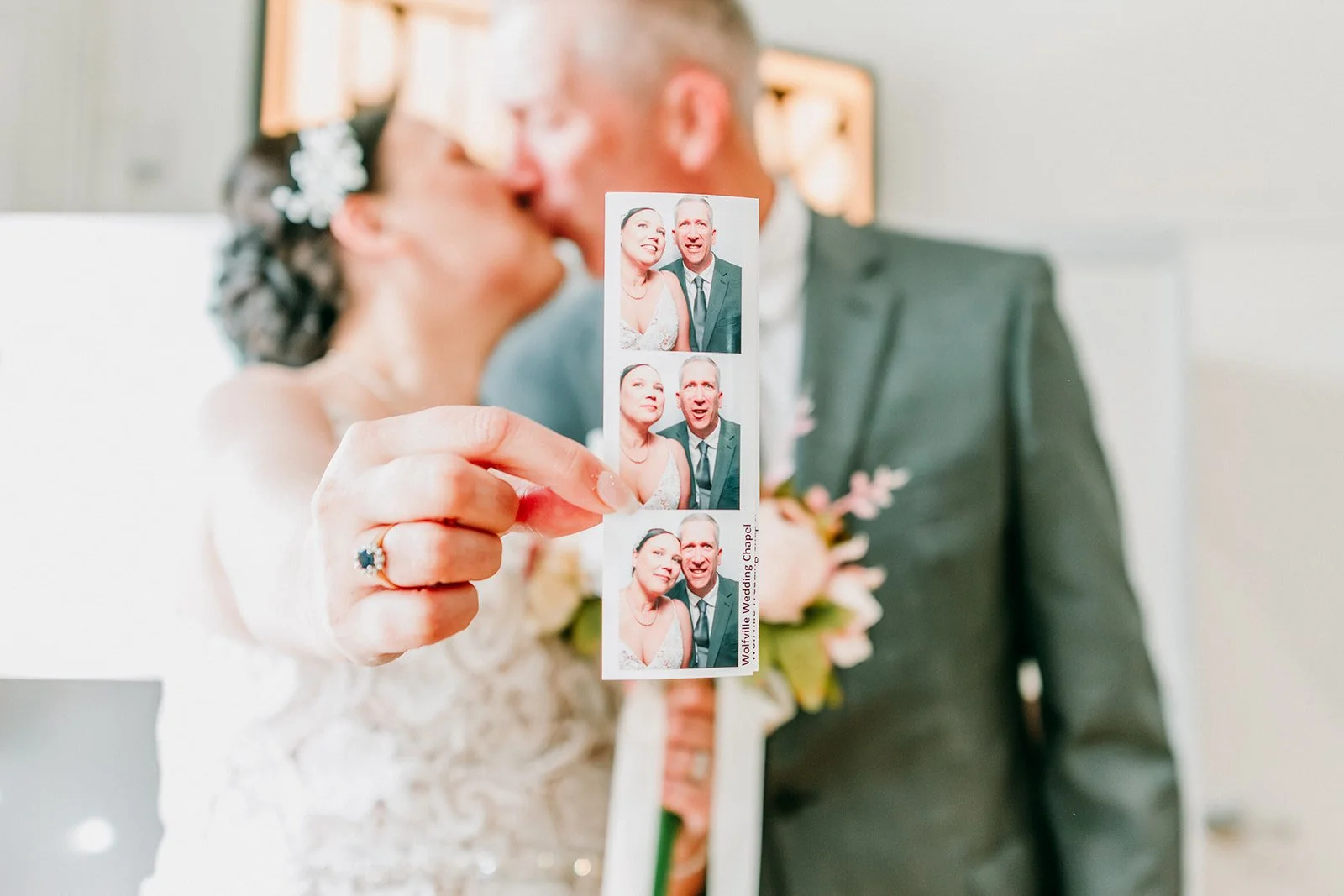
Everything you need to know — without the overwhelm.
Getting married in Nova Scotia is surprsingly simple.
No panic spiral. No twelve-month planning marathon. No rulebook that says your wedding has to look a certain way to “count.”
Whether you’re local, visiting from out of province, or planning a small, intentional wedding by the sea, this guide will walk you through exactly how it works — step by step — so you can focus on the part that actually matters: getting married.
Why Couples Choose Nova Scotia to Get Married
Nova Scotia is a favourite for couples who want their wedding to feel:
intentional, not performative
meaningful, not massive
relaxed, not rushed
You don’t need to be a resident.
You don’t need witnesses.
You don’t need months of lead time.
You just need the right paperwork, the right people, and a plan that works for you.
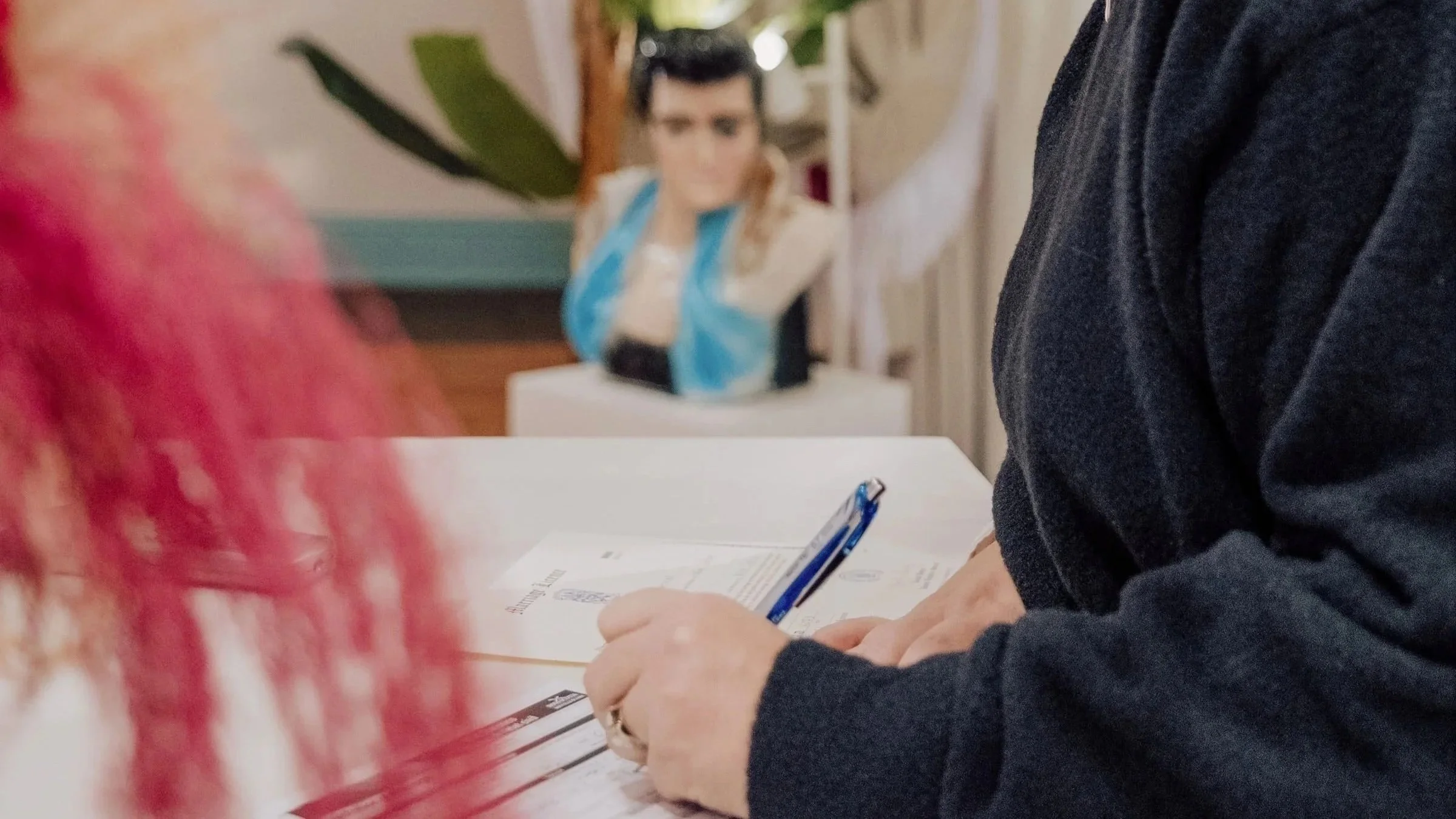
Step 1: You Need a Nova Scotia Marriage Licence
To legally get married in Nova Scotia, you must obtain a Nova Scotia marriage licence — even if you live elsewhere.
What you’ll need:
Valid government-issued photo ID
Proof of divorce or death certificate (if applicable)
Both partners present (in most cases)
Where to get it:
Marriage licences are issued through Access Nova Scotia locations across the province.
The timeline? You can obtain your licence up to 3 months before your wedding date.
The good news? The process is straightforward and typically takes one appointment.
Step 2: Choose Who Will Marry You
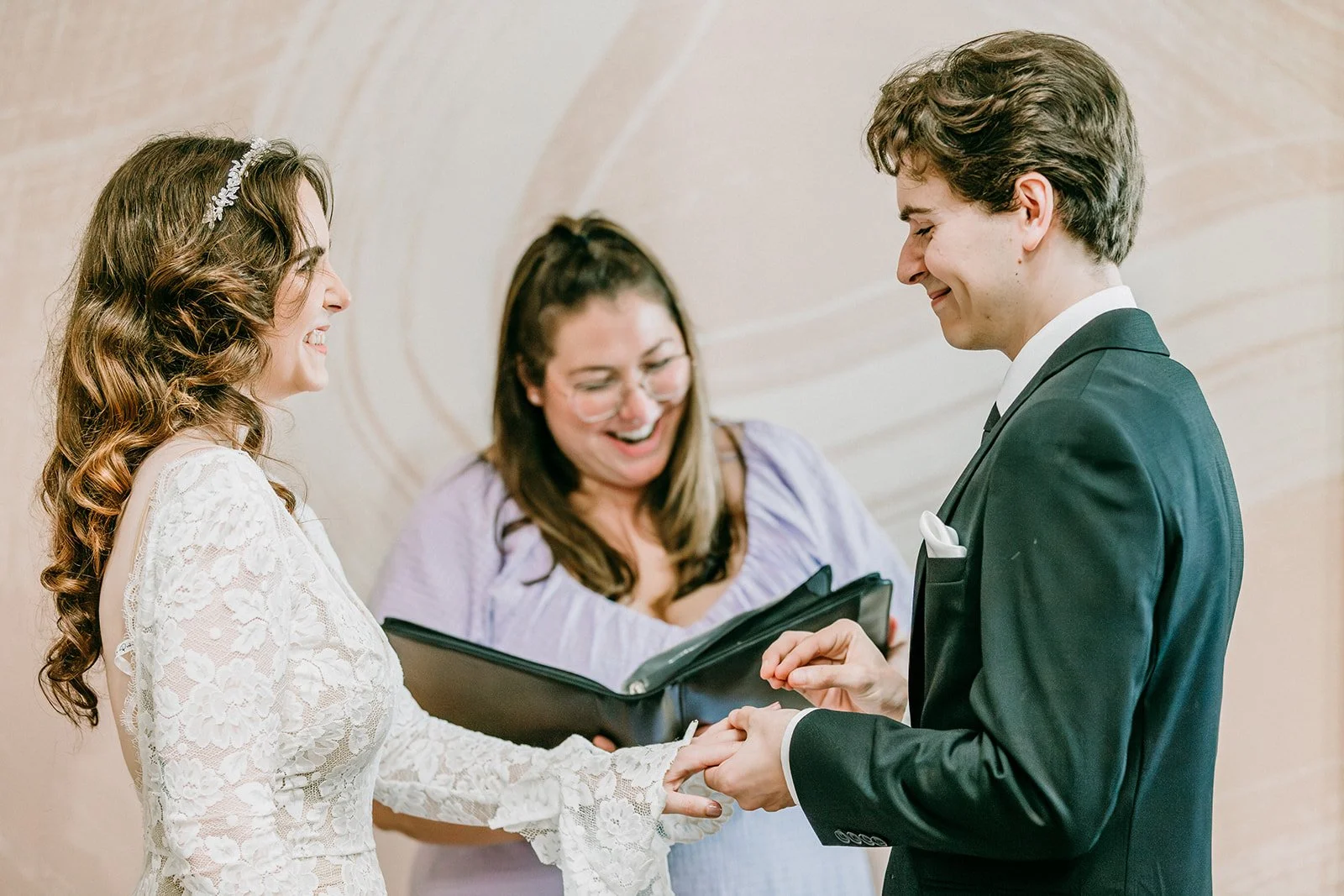
In Nova Scotia, your ceremony must be performed by:
a Justice of the Peace (JP)
or a registered religious official
Many couples opt for a JP because:
ceremonies are non-religious (unless you want otherwise)
the tone is flexible and personal
the process is simple and efficient
Psst! If you’re having a ceremony at the Wolfville Wedding Chapel, your officiant is handled for you.

Step 3: Decide What Kind of Wedding You Want
This is where Nova Scotia really shines.
There’s no requirement for:
a minimum guest count
a venue size
a specific timeline
Your wedding can be:
just the two of you
a micro wedding with close friends and family
an elopement followed by a celebration later
a 150+ guest list affair with a 5-course, plated dinner to follow
The only legal requirement is that the ceremony happens with a licensed officiant and a valid marriage licence. That’s it.
Step 4: Understand Guest Limits (Yes, They Matter)
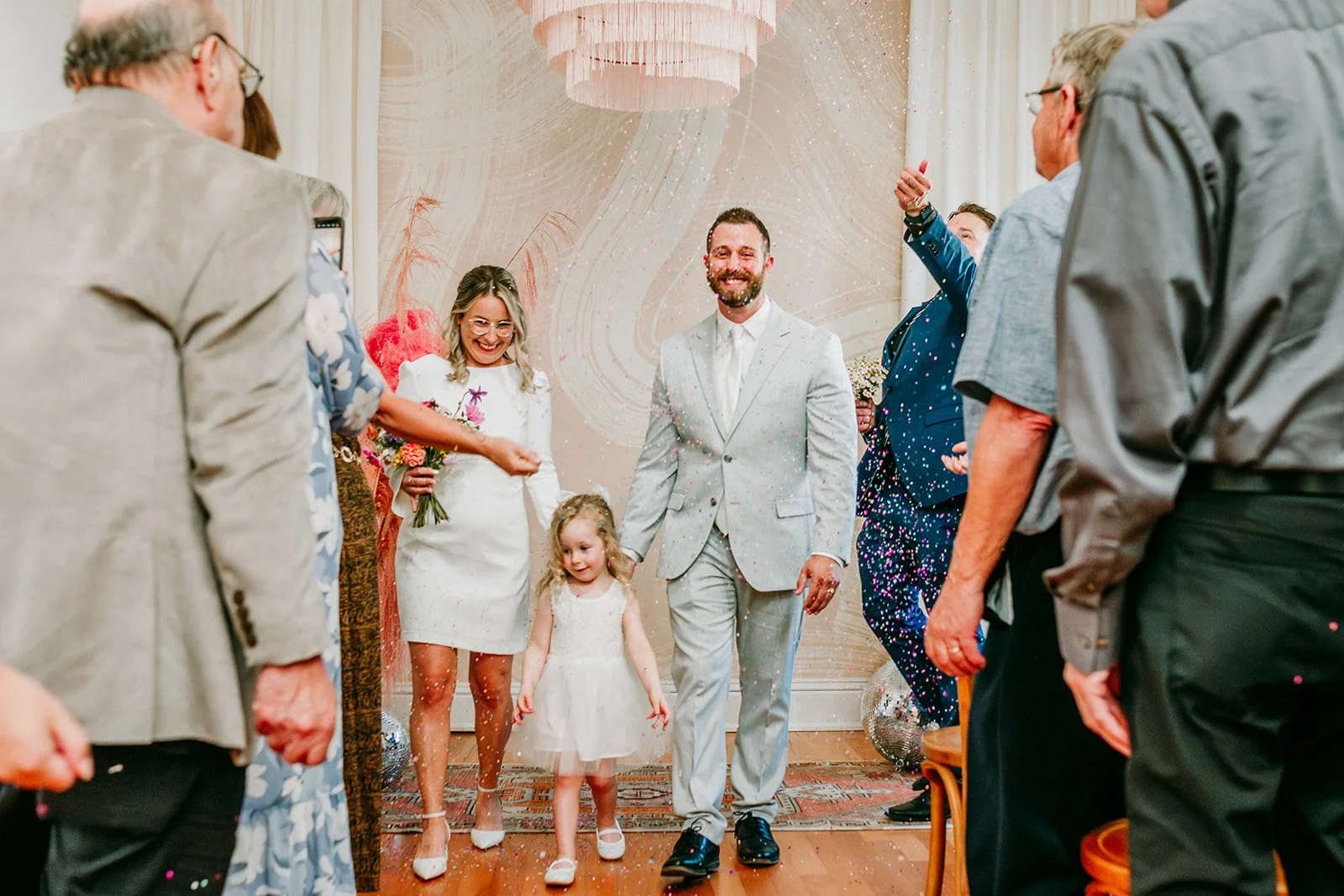
While the law doesn’t set a guest minimum or maximum, venues do.
If you’re choosing an intimate space (like a wedding chapel), guest counts are capped to keep things:
comfortable
intentional
true to the experience

Step 5: Know What You Don’t Need
(This part surprises a lot of couples.)
You do not need:
a rehearsal
a year-long planning timeline
a massive budget
…just to get married. You can be legally married in Nova Scotia in a matter of weeks — sometimes sooner.

Step 6: Make It Feel Like You
Here’s the part most guides skip!
Getting married legally is simple. Getting married well is about intention.
Couples who feel best on their wedding day usually prioritize:
being present instead of performing
spending time together instead of managing logistics
creating memories instead of content
That’s why so many couples are choosing:
micro weddings
chapel ceremonies
all-inclusive experiences that remove decision fatigue
Final Thoughts
Getting married in Nova Scotia doesn’t have to be complicated — and it definitely doesn’t have to be overwhelming.
When you strip away the noise, the rules, and the expectations, what you’re left with is this: two people, choosing each other, in a way that actually feels good.
And honestly? That’s the whole point.